
Shipped Android. Architecture first. No shortcuts.
Custom Android apps for teams who need production code, not prototypes. Scope is defined before a line is written; architecture is designed to hold under load.
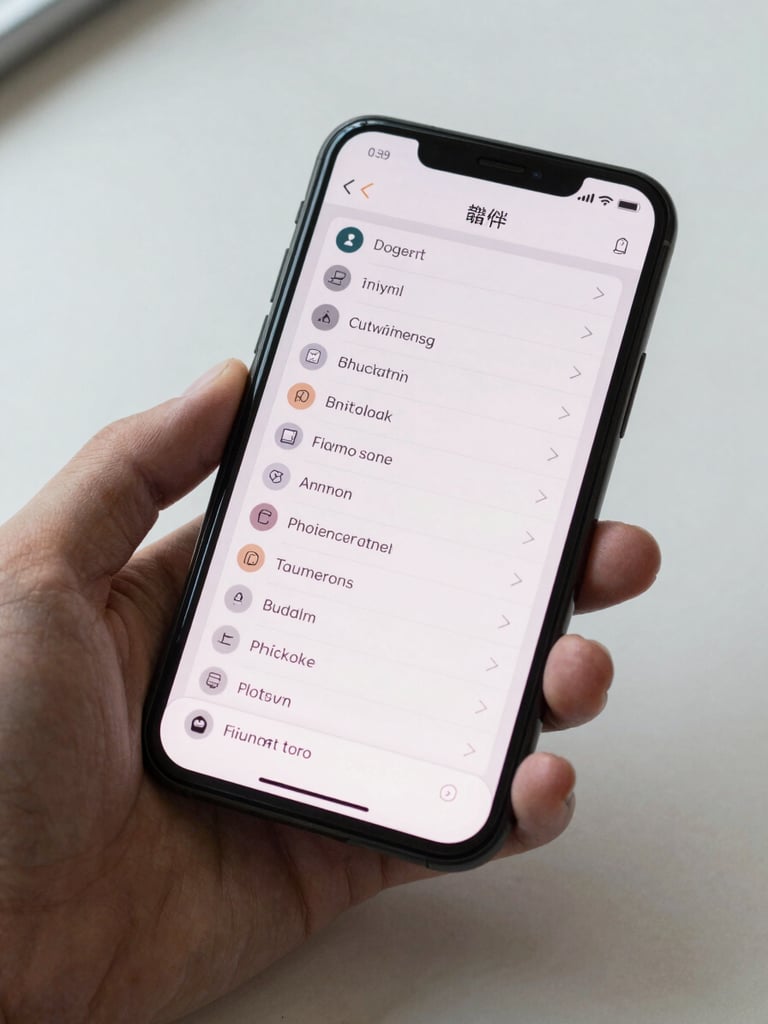
Apps in use, not in review
Every entry in the portfolio is a live production app. Shipped on deadline, maintained post-launch, and built to handle the next version of the spec.
How the work gets done
Hard questions first
Structure before features
Iterative, tested, shipped
Scope is interrogated before any build begins. Constraints, API dependencies, and version targets are defined — not discovered mid-sprint.
Code structure is as deliberate as the feature set. A poorly architected app breaks at scale; the foundation is designed for what comes after v1.
Testing happens in production conditions, not sandboxes. Releases follow version discipline — no surprises, no magic, just consistent delivery.
Ready to define the scope?
Bring your product requirements and technical constraints. The first conversation is about whether the build makes sense — not about closing a contract.